-

Nuestros productos provienen de fuentes aprobadas por la FDA o se elaboran en nuestra farmacia acreditada por la NABP en Nueva Jersey.
La Sociedad Internacional de Hiperhidrosis ha avalado todos nuestros productos.

Hyperhidrosis (Excessive Sweating) Treatments
Hyperhidrosis is a medical condition when the eccrine sweat glands produce more sweat than needed for temperature regulation. It can affect one or more body areas (e.g., the hands, the feet, underarms, etc.) or the whole body (known as generalized hyperhidrosis).


Summary of Treatment Options for Hyperhidrosis
| Treatment | How It Works | Best For | Body Areas | Effectiveness | Cost | Prescription Needed |
|---|---|---|---|---|---|---|
| Glycopyrrolate Tablets | Reduce nerve signals to sweat glands throughout the body | Moderate to severe or generalized hyperhidrosis | Multiple areas or whole body | High | Low | Yes |
| Prescription-Strength Antiperspirants | Aluminum temporarily blocks sweat glands where applied | Mild hyperhidrosis | One body area | High (when used for mild hyperhidrosis) | Low | Yes |
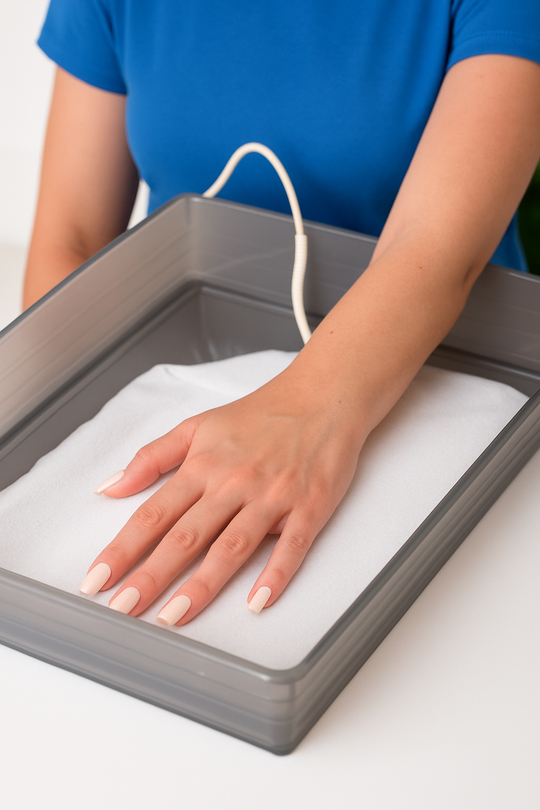
| Iontophoresis | Uses mild electrical current to temporarily block sweat glands | Palmar, plantar, and axillary hyperhidrosis | Hands, feet, underarms | High for hands/feet Medium for underarms |
Medium | Yes |
For personalized treatment recommendations, reach out to one of our hyperhidrosis treatment experts .
-
 Buy Glycopyrrolate Tablets
Glycopyrrolate Tablets for Hyperhidrosis
What are Glycopyrrolate Tablets?
Glycopyrrolate tablets are a prescription medication used to treat excessive sweating (hyperhidrosis).
Where do they work?
As an oral medication, they work throughout your body, which means that they reduce sweat all over the body.
Will they work for me?
Glycopyrrolate tablets have been clinically shown to reduce sweating in 90% of patients, with an average of a 75% reduction in the volume of sweat. Our pharmacists work with you to find the correct dose for you.

-
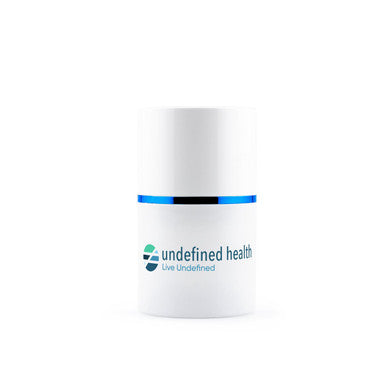
 Buy Prescription Antiperspirant
Prescription-Strength Antiperspirants for Hyperhidrosis
What does it mean to be "prescription strength"?
We use 20% aluminum chloride, which is only available with a prescription. This means that it is at least 33% stronger than anything you can buy over the counter.
Where do they work?
Antiperspirants treat excessive sweating wherever you apply them. They are a perfect option for mild hyperhidrosis in one body area. For more severe cases of hyperhidrosis or when it affects more than one body area, glycopyrrolate tablets are a better choice.
Will they work for me?
Antiperspirants are extensively studied in hyperhidrosis and can be used alone or in combination with glycopyrrolate tablets.

-
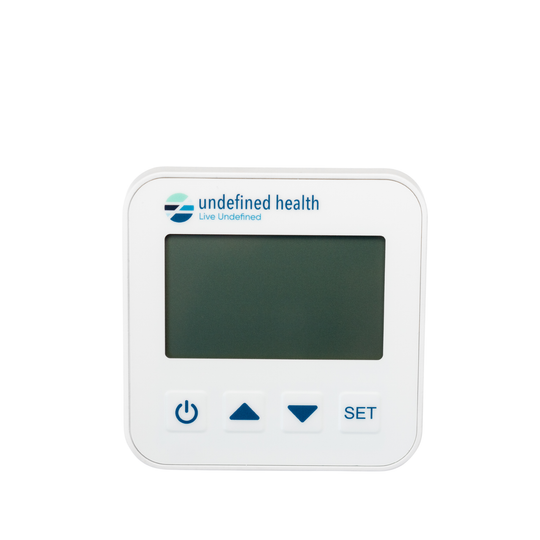
 Buy Iontophoresis Device
FDA-Cleared Iontophoresis Device for Hyperhidrosis
How does iontophoresis work?
Iontophoresis uses a gentle electrical current to temporarily block sweat glands.
Which body areas are treated by iontophoresis?
Iontophoresis treats excessive sweating in the hands, feet, and underarms.
Will iontophoresis work for me?
Iontophoresis was found to be effective for 90+% of patients in clinical trials.

Bromhidrosis (Body Odor) Treatments
Body odor is caused by two things:
- Bacteria on your skin breaking down sweat
- Odiferous substances from your gut being released in sweat

Summary of Treatment Options for Body Odor (Bromhidrosis)
| Treatment | How It Works | Best For | Body Areas | Effectiveness | Cost | Prescription Needed |
|---|---|---|---|---|---|---|
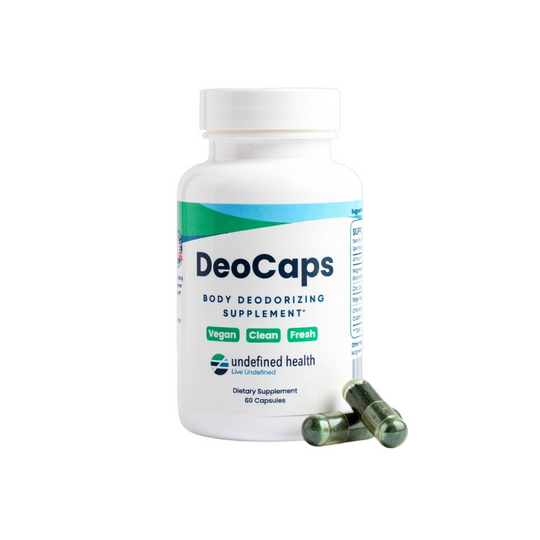
| DeoCaps Internal Deodorant | Works in two ways: (1) binds to odor-causing molecules in the gut; (2) promotes normal sweat gland activity | Body odor | Whole body | High | Low | No |
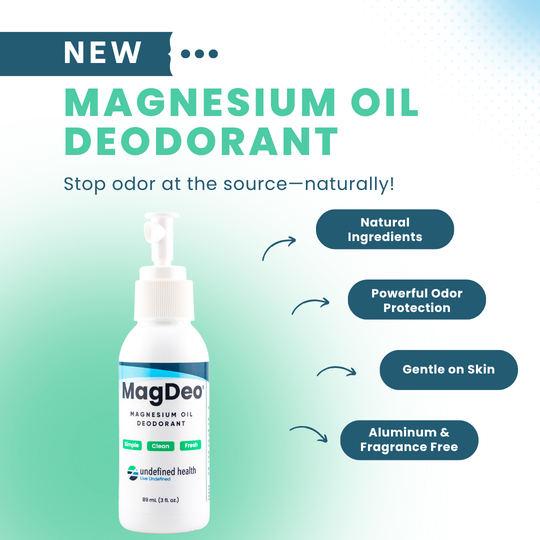
| MagDeo® Whole Body Deodorant Spray | Promotes a healthy skin microbiome and may reduce sweating | Body odor | Wherever applied | High when combined with DeoCaps and your favorite topical deodorant | Low | No |
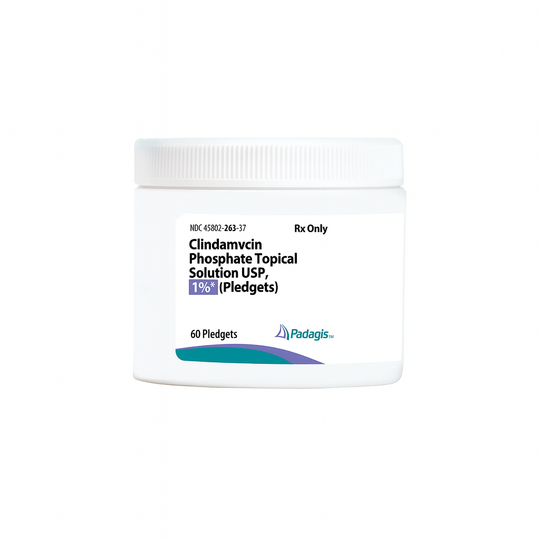
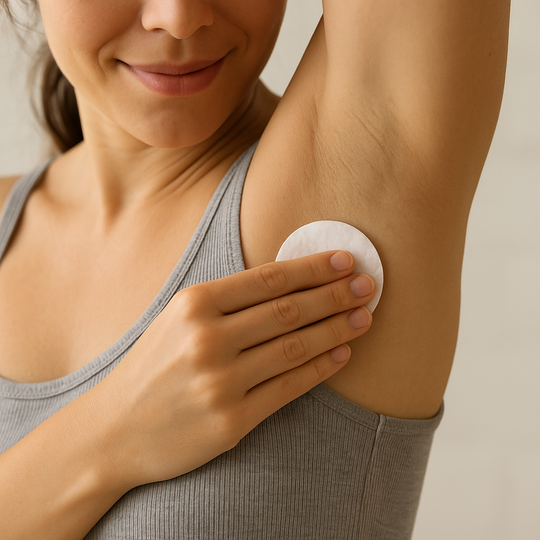
| Clindamycin Phosphate Pledgets | Kills odor-causing bacteria on the skin | Body odor | Wherever applied | Very high | Medium | Yes |
For personalized treatment recommendations, reach out to one of our hyperhidrosis treatment experts .
-
 Buy DeoCaps Internal Deodorant
DeoCaps Internal Deodorant
What is DeoCaps Internal Deodorant?
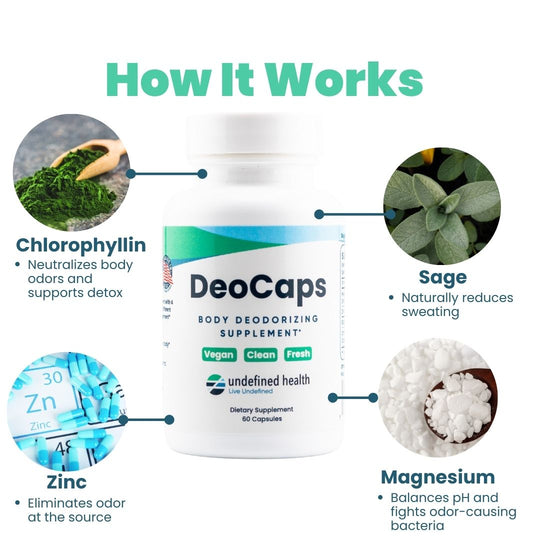
DeoCaps Internal Deodorant is a dietary supplement designed to help treat body odor combining four well-studied clinically-dosed ingredients:
- Chlorophyllin - bind to odor-causing compounds in the gut
- Sage - reduce sweating
- Zinc & Magnesium - essential minerals to reduce body odor
How Does DeoCaps Internal Deodorant Work?
Deocaps Internal Deodorant works in two ways: (1) it binds to odor-causing molecules in the gut; and (2) it reduces sweat, which is the main cause of body odor.
Will DeoCaps Internal Deodorant Work for Me?
The ingredients in DeoCaps have been studied in clinical trials and have been found to work well in those studies.

-
 Buy MagDeo Spray
MagDeo Whole Body Deodorant Spray for Body Odor
What is MagDeo Spray?
It is a natural magnesium-based whole body deodorant spray containing only two ingredients: magnesium chloride and water.
How Does MagDeo Spray Work?
MagDeo whole body deodorant spray fights odor by regulating the skin microbiome. There is growing evidence that magnesium deficiency causes sweating, which is the other key contributor to body odor.
Will they work for me?
Although some people can use MagDeo Spray alone, we recommend to combine it with your favorite topical deodorant and also with our DeoCaps Internal Deodorant.

-
 Buy Clindamycin Pledgets
Clindamycin Antibacterial Wipes for Body Odor
What are Clindamycin Pledgets?
Clindamycin pledgets are an FDA-approved antibacterial wipe used to treat body odor.
How do Clindamycin Pledgets Work?
Clindamycin pledgets kill odor-causing bacteria on the skin.
Will Clindaycin Pledgets Work For Me?
Clindamycin pledgets are a prescription product that are recommended in medical treatment guidelines to treat body odor.

Frequently Asked Questions About Hyperhidrosis & Bromhidrosis
Have questions about excessive sweating or body odor? Here are answers to some of the most common questions about hyperhidrosis, bromhidrosis, and treatment options.
Our healthcare team at Undefined Health has decades of combined experience treating patients struggling with excessive sweating and body odor.
What is the difference between hyperhidrosis and bromhidrosis?
Hyperhidrosis is excessive sweating beyond what the body needs for temperature regulation. Bromhidrosis is unpleasant body odor caused when sweat interacts with bacteria on the skin. Some people have hyperhidrosis without strong odor, while others have bromhidrosis even if sweating is not severe.
What causes hyperhidrosis?
Hyperhidrosis is usually caused by overactive nerves that stimulate the sweat glands. Primary hyperhidrosis often affects specific areas such as the hands, feet, underarms, or face and is not caused by another medical condition. Secondary hyperhidrosis may be related to medications, hormonal changes, infections, or other health conditions.
What causes bromhidrosis?
Bromhidrosis happens when sweat is broken down by bacteria on the skin, creating noticeable body odor. It is often more common in areas with apocrine sweat glands, such as the underarms and groin, but odor can also develop in other areas depending on sweating, hygiene, clothing, and skin microbiome factors.
How do I know if I have hyperhidrosis?
You may have hyperhidrosis if you sweat excessively even when you are not hot or exercising, especially if it interferes with daily life, soaks through clothing, affects your hands or feet, or causes embarrassment and social discomfort. If sweating is frequent, difficult to control, or affects multiple body areas, it may be worth discussing treatment options.
How do I know if I have bromhidrosis?
You may have bromhidrosis if body odor persists despite regular bathing, changing clothes, or using deodorant. Bromhidrosis is more likely when odor becomes recurrent, noticeable soon after sweating, or difficult to control with standard hygiene measures alone.
What is the best treatment for hyperhidrosis?
The best treatment depends on the severity and location of sweating. Prescription-strength antiperspirants are often used for mild hyperhidrosis affecting one body area. Iontophoresis is commonly used for sweating of the hands and feet. Glycopyrrolate tablets may be appropriate for moderate to severe or more generalized hyperhidrosis.
What is the best treatment for body odor caused by sweating?
The best treatment for bromhidrosis depends on what is driving the odor. Options may include antibacterial topicals such as clindamycin, whole-body odor support like DeoCaps, and topical products such as MagDeo® spray. In many cases, the most effective approach combines odor control with reduction of sweat and bacterial buildup.
Can hyperhidrosis cause body odor?
Yes. Excess sweating can contribute to body odor because moisture on the skin creates an environment where bacteria can break down sweat and produce odor. This is one reason some people experience both hyperhidrosis and bromhidrosis at the same time.
Can you have bromhidrosis without hyperhidrosis?
Yes. A person can have bothersome body odor even without severe excessive sweating. Bromhidrosis is influenced not just by the amount of sweat, but also by skin bacteria, the location of sweating, clothing, hygiene habits, and other individual factors.
Do glycopyrrolate tablets stop sweating everywhere?
Glycopyrrolate tablets can reduce sweating in multiple body areas because they work systemically, but they do not permanently stop sweating and should not eliminate the body’s ability to sweat when needed for temperature regulation. They are often considered when hyperhidrosis is moderate to severe or affects several areas.
Are prescription-strength antiperspirants good for mild hyperhidrosis?
Yes. Prescription-strength antiperspirants are often a strong first-line option for mild hyperhidrosis, especially when sweating is limited to one area such as the underarms. They work by temporarily blocking sweat glands where they are applied.
What body areas can iontophoresis treat?
Iontophoresis is most commonly used for the hands and feet and may also be used for underarm sweating in some cases. It is especially well known as a treatment option for palmar and plantar hyperhidrosis.
What is the best treatment for sweaty hands and feet?
Iontophoresis is often one of the most effective non-surgical options for sweaty hands and feet. Depending on severity, other treatments such as prescription antiperspirants or glycopyrrolate tablets may also be considered.
What is the best treatment for whole-body sweating?
When sweating affects multiple body areas or is more generalized, systemic treatment such as glycopyrrolate tablets may be more appropriate than a topical product alone. The best option depends on symptom severity, body areas involved, and medical history.
What is the best treatment for underarm odor?
Underarm odor may improve with antibacterial treatments, topical deodorant support, and strategies that reduce moisture and sweat. Depending on the cause, options may include clindamycin pledgets, MagDeo® spray, DeoCaps, or treatment of underlying hyperhidrosis.
Do I need a prescription for hyperhidrosis treatment?
Some hyperhidrosis treatments require a prescription, including glycopyrrolate tablets and prescription-strength antiperspirants. Other options, such as some iontophoresis devices or non-prescription odor-control products, may not require one.
Do I need a prescription for bromhidrosis treatment?
Not always. Some bromhidrosis products, such as DeoCaps and MagDeo®, do not require a prescription. Prescription products such as clindamycin pledgets may be used when bacteria on the skin are contributing significantly to odor.
Can you treat hyperhidrosis and bromhidrosis at the same time?
Yes. Many people benefit from treating both conditions together. Reducing sweat can help lower odor, while addressing odor-causing bacteria and internal odor sources can further improve symptoms. A combined approach is often the most effective strategy.
When should I seek medical treatment for excessive sweating or body odor?
You should consider medical treatment if sweating or odor affects your confidence, daily activities, work, relationships, clothing choices, or quality of life, or if standard over-the-counter products have not been enough.
How do I choose the right treatment option?
The right treatment depends on whether your main issue is excessive sweating, body odor, or both. It also depends on which body areas are affected and how severe the symptoms are. People with mild localized sweating may do well with topical treatments, while people with more widespread sweating or persistent odor may need a broader treatment plan.
Medical Review & Editorial Standards
The information on this page is provided for educational purposes and is based on peer-reviewed medical literature, dermatology guidelines, and clinical experience in the management of hyperhidrosis (excessive sweating) and bromhidrosis (body odor). Treatment options described include both prescription and non-prescription approaches commonly used in dermatologic practice.
Hyperhidrosis is a recognized medical condition characterized by sweat production beyond what is required for thermoregulation. Bromhidrosis refers to unpleasant body odor resulting from the interaction between sweat and skin bacteria. These conditions can significantly affect quality of life, psychosocial functioning, occupational performance, and daily activities.
Management strategies are tailored to symptom severity, body areas involved, underlying causes, and individual patient factors. Options may include topical therapies, systemic medications, device-based treatments, antibacterial approaches, and supportive measures to reduce sweat production or odor formation.
This content is not a substitute for professional medical advice, diagnosis, or treatment. Individuals experiencing persistent excessive sweating or body odor should consult a qualified healthcare professional to determine the most appropriate treatment plan.
Medical References & Sources
International Hyperhidrosis Society. Hyperhidrosis Overview and Treatment Options. International Hyperhidrosis Society (IHhS); clinical educational materials.
American Academy of Dermatology Association. Hyperhidrosis: Diagnosis and Treatment. AAD public guidance; reviewed by board-certified dermatologists.
Hornberger J, Grimes K, Naumann M, et al. Recognition, diagnosis, and treatment of primary focal hyperhidrosis. Journal of the American Academy of Dermatology. 2004;51(2):274–286.
Solish N, Bertucci V, Dansereau A, et al. A comprehensive approach to the recognition, diagnosis, and severity-based treatment of focal hyperhidrosis. Dermatologic Surgery. 2007;33(8):908–923.
McConaghy JR, Fosselman D. Hyperhidrosis: management options. American Family Physician. 2018;97(11):729–734.
Pariser DM, Ballard A. Topical therapies in hyperhidrosis care. Dermatologic Clinics. 2014;32(4):485–490.
Stashak AB, Brewer JD. Systemic anticholinergic therapy for hyperhidrosis. Dermatologic Therapy. 2013;26(6):452–458.
Hebert AA, Glaser DA, Ballard A, et al. Iontophoresis for palmar and plantar hyperhidrosis. Journal of Drugs in Dermatology. 2014;13(8):997–1002.
Sato K, Kang WH, Saga K, Sato KT. Biology of sweat glands and their disorders. Journal of the American Academy of Dermatology. 1989;20(4):537–563.
Coon EA, Low PA. Thermoregulatory disorders and excessive sweating. Continuum (Minneapolis, Minn). 2015;21(3):803–820.
James AG, Austin CJ, Cox DS, Taylor D, Calvert R. Microbiological and biochemical origins of human axillary odor. FEMS Microbiology Ecology. 2013;83(3):527–540.
Leyden JJ, McGinley KJ, Holzle E, et al. The microbiology of the human axilla and its relationship to body odor. Journal of Investigative Dermatology. 1981;77(5):413–416.
Callewaert C, Hutapea P, Van de Wiele T, Boon N. Deodorants and antiperspirants affect the axillary bacterial community. Archives of Dermatological Research. 2014;306(8):701–710.
Hölzle E, Kligman AM. Mechanisms of action of antiperspirants. Journal of the Society of Cosmetic Chemists. 1978;29:1–13.
Brook I. Bacterial colonization and infection in the skin microbiome. Dermatologic Clinics. 2017;35(1):1–8.