Best Treatments for Sweaty Hands
(Palmar Hyperhidrosis)
Excessive sweating of the hands, also known as palmar hyperhidrosis, negatively impacts your quality of life because it impairs self-confidence and your ability to function normally. This type of sweating occurs when you are not hot or active. For more information on hyperhidrosis, check out our comprehensive overview of hyperhidrosis in our Hyperhidrosis Treatment Guide.
Treatments range from prescription-strength antiperspirants to glycopyrrolate tablets to an FDA-cleared medical device (iontophoresis).
The overwhelming majority of patients can be effectively managed online by Undefined Health without the need for in-person medical evaluations or expensive in-person treatments such as botulinum toxin injections, microwave therapy, or surgery (endoscopic thoracic sympathectomy).
Key Facts About Sweaty Hands
-

What Causes Excessive Hand Sweating?
Sweating is a normal and essential body function, but sweating beyond the amount needed to maintain body temperature is not. The exact pathophysiology of hyperhidrosis is not known, but the following all may play a role:
- Overactive nerves - the nerves that activate sweat glands are overly sensitive to chemicals in your body
- Stress - anxiety, nervousness, excitement, or anything else that activates the "fight-or-flight" response can be a trigger
- Heat, exercise, and environmental factors - some people sweat more than is required in response to "normal" triggers of sweat
- Medications or medical conditions - sweating may be a side effect of a medication or a consequence of another medical condition, which is why it is important to manage sweat with a healthcare team familiar with hyperhidrosis

Treatment Options for Sweaty Hands (Palmar Hyperhidrosis)
Fortunately, there are many safe and effective treatments for managing sweaty hands (palmar hyperhidrosis)
-
 Buy Glycopyrrolate Tablets
Glycopyrrolate Tablets
Convenient oral medication that treats sweaty hands (palmar hyperhidrosis). For patients who sweat in multiple body areas, glycopyrrolate tablets work over the whole body.
-
 Buy Prescription Antiperspirant
Prescription Antiperspirants
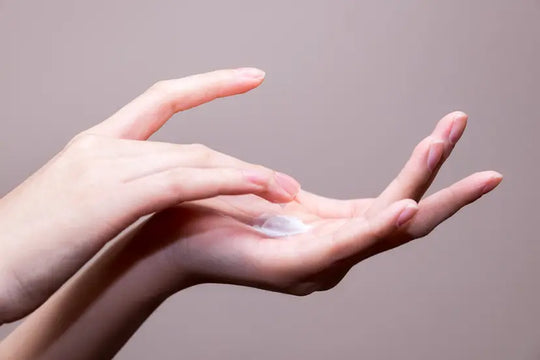
Made with 20% aluminum chloride (only available with a prescription), antiperspirants create a temporary blockage of the sweat glands to treat sweaty hands (palmar hyperhidrosis).
-
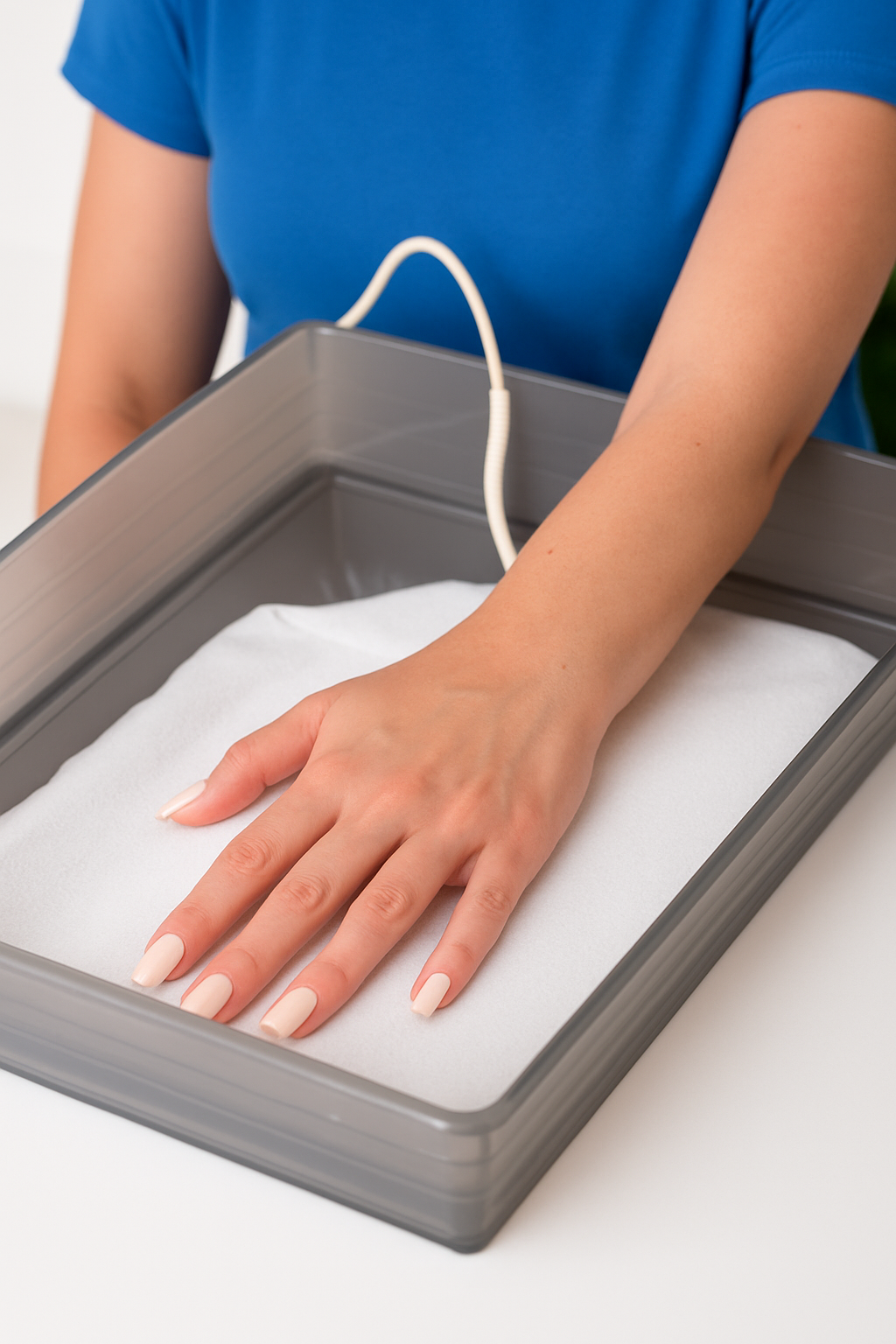 Buy Iontophoresis Device
Iontophoresis Device
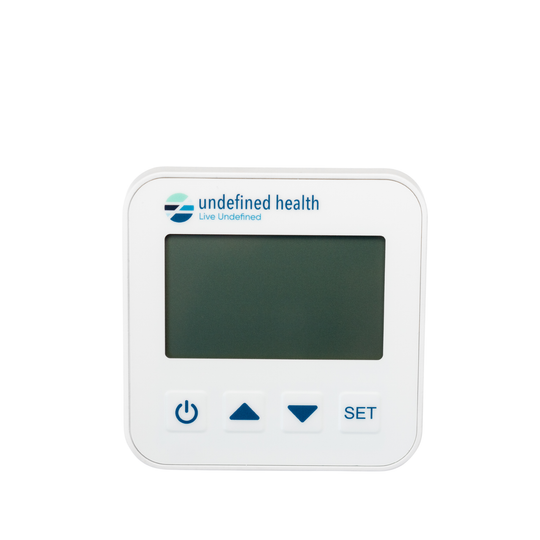
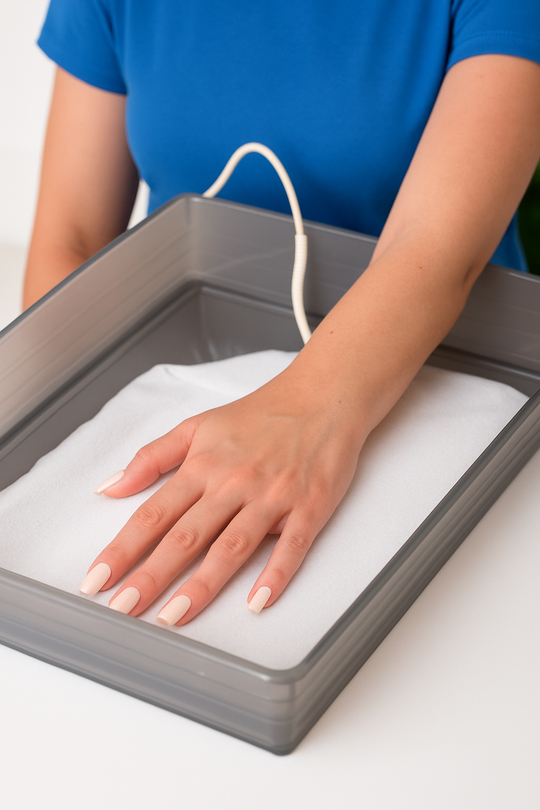
FDA-cleared medical device used to treat sweaty hands (palmar hyperhidrosis). Drug-free, needle-free treatment option that you can use at home on your schedule. Up to 90% sweat reduction in clinical trials.


Products for Hand Sweat (Palmar Hyperhidrosis)
Explore our products to treat sweaty hands, which are designed and dosed using evidence-based medicine.

Frequently Asked Questions About Palmar Hyperhidrosis
The healthcare team at Undefined Health has decades of combined experience in treating palmar hyperhidrosis.
Why are my hands always sweaty?
Excessive hand sweating is known as palmar hyperhidrosis, which is a condition in which the nerves that control sweat glands become overactive. People with this condition may sweat even when they are not hot or exercising, particularly during stress or emotional situations.
How do I stop my hands from sweating?
If you have already tried over-the-counter antiperspirants, which most patients have by the time they consider medical treatment, we recommend glycopyrrolate tablets. At Undefined Health, we work with our patients to find the right dose for them.
Other treatment options for sweaty hands include prescription-strength antiperspirants and an FDA-cleared iontophoresis device.
What causes sweaty hands?
Sweaty hands (palmar hyperhidrosis) is primarily caused by overactive eccrine sweat glands. This is likely due to hypersensitivity to nerve signals and is in response to stress, anxiety, or environmental factors like high heat or humidity. Other causes may include certain medications or concomitant health conditions.
Can sweaty palms go away?
Unfortunately, primary palmar hyperhidrosis does not go away on its own, and except for ETS surgery, which carries significant risks, there are no cures for it. Sweaty hands are best treated with a combination of antiperspirants, glycopyrrolate tablets, and iontophoresis.
What are the best products for sweaty hands?
First-line medical treatment involves antiperspirants, but most patients with true primary palmar hyperhidrosis cannot be managed with antiperspirants. Glycopyrrolate tablets and prescription-strength antiperspirants are the best options for moderate to severe hyperhidrosis. Iontophoresis should be considered for patients who do not respond to anything else or those who prefer a drug-free treatment option.
Are sweaty palms healthy?
Sweating beyond the amount needed for controlling body temperature is a medical condition known as hyperhidrosis. Hyperhidrosis is a medical condition that can be safely and effectively managed with one or more of the following: glycopyrrolate tablets; prescription-strength antiperspirants, or iontophoresis.
Can sweaty palms be the result of a vitamin deficiency?
Potentially, yes. Deficiencies in Vitamin D, Vitamin B12, and magnesium have all been linked to increased perspiration. Topical magnesium has been shown to be very effective at improving magnesium deficiency.
-

When to Seek Medical Treatment
Occasional hand sweating is common, especially during heat, exercise, or stressful situations. However, persistent or severe sweating of the hands may warrant medical evaluation and prescription-based treatment, particularly if it interferes with daily activities or quality of life.
You should consider speaking with a doctor if your hand sweating:
- Occurs frequently without obvious triggers such as heat or physical activity
- Interferes with work, school, social interactions, or routine tasks
- Causes skin problems such as irritation, peeling, infections, or persistent moisture damage
- Is severe

Related Resources from Undefined Health
Medical References & Sources
- Hornberger J, Grimes K, Naumann M, et al. Recognition, diagnosis, and treatment of primary focal hyperhidrosis. Journal of the American Academy of Dermatology. 2004;51(2):274-286.
https://pubmed.ncbi.nlm.nih.gov/15280848/ - Solish N, Bertucci V, Dansereau A, et al. A comprehensive approach to the recognition, diagnosis, and severity-based treatment of focal hyperhidrosis. Dermatologic Surgery. 2007;33(S1):S1-S15. https://www.researchgate.net/publication/269347136_A_Comprehensive_Approach_to_the_Recognition_Diagnosis_and_Severity-Based_Treatment_of_Focal_Hyperhidrosis
- Nawrocki S, Cha J. The etiology, diagnosis, and management of hyperhidrosis: A comprehensive review. Journal of the American Academy of Dermatology. 2019;81(3):669-680. https://pubmed.ncbi.nlm.nih.gov/30710603/
- Haider A, Solish N. Focal hyperhidrosis: Diagnosis and management. Canadian Medical Association Journal. 2005;172(1):69-75. https://pubmed.ncbi.nlm.nih.gov/15632408/
- Walling HW. Clinical differentiation of primary from secondary hyperhidrosis. Journal of the American Academy of Dermatology. 2011;64(4):690-695. https://pubmed.ncbi.nlm.nih.gov/21334095/
- Pariser DM, Ballard A. Topical therapies in hyperhidrosis care. Dermatologic Clinics. 2014;32(4):485-490. https://pubmed.ncbi.nlm.nih.gov/25152341/
- Glaser DA, Hebert AA, Pariser DM, et al. Palmar hyperhidrosis: Epidemiology, diagnosis, and treatment options. American Journal of Clinical Dermatology. 2007;8(2):87-97. https://pubmed.ncbi.nlm.nih.gov/17596097/
- Mayo Clinic. Hyperhidrosis (Excessive Sweating). https://www.mayoclinic.org/diseases-conditions/hyperhidrosis/symptoms-causes/syc-20367152
- Cleveland Clinic. Hyperhidrosis: Excessive Sweating. https://my.clevelandclinic.org/health/diseases/17113-hyperhidrosis
- International Hyperhidrosis Society. Hyperhidrosis Overview.
https://www.sweathelp.org
This page is for informational and educational purposes only and is not intended to provide medical advice, diagnosis, or treatment. Iontophoresis and other treatments for hyperhidrosis may not be appropriate for everyone. Always consult a qualified healthcare professional regarding any medical condition or before starting a new treatment. If you experience severe symptoms or concerns related to excessive sweating, seek professional medical evaluation.