Body Odor (Bromhidrosis) Treatments
Persistent body odor, medically known as bromhidrosis, occurs when sweat interacts with skin bacteria, producing unpleasant smells that can persist despite regular hygiene. Depending on the cause, effective treatment may require more than standard deodorants.
Undefined Health offers clinically-informed solutions that target body odor at its source, including internal deodorants, microbiome-supporting topical products, and prescription therapies.
Key Facts: Body Odor (Bromhidrosis)
- Bromhidrosis is persistent body odor caused by bacteria breaking down sweat.
- It most commonly affects areas with apocrine glands, such as the underarms and groin.
- Odor may persist despite good hygiene and conventional deodorants.
- Generalized body odor can involve multiple areas and may require whole-body treatment.
- Diet, medications, hormones, and skin microbiome changes can influence odor.
- Topical treatments target odor on the skin, while internal deodorants address odor from within.
- Severe or persistent cases may require prescription therapy.
- Effective management often involves combining approaches tailored to the underlying cause.
Types of Bromhidrosis
See below to learn more.
-

Apocrine Bromhidrosis
Typically affects the underarms and groin. Odor arises from protein-rich apocrine sweat broken down by bacteria.
-

Eccrine Bromhidrosis
May affect larger body areas. Often influenced by diet, medications, or metabolic factors.
-

Generalized Body Odor
Involves multiple body regions and may require systemic (whole-body) treatment rather than localized products.


Effective Treatments for Body Odor
Treatment depends on severity, body areas affected, and underlying cause. Many patients benefit from combining approaches.




Internal Deodorants (Whole-Body Approach)
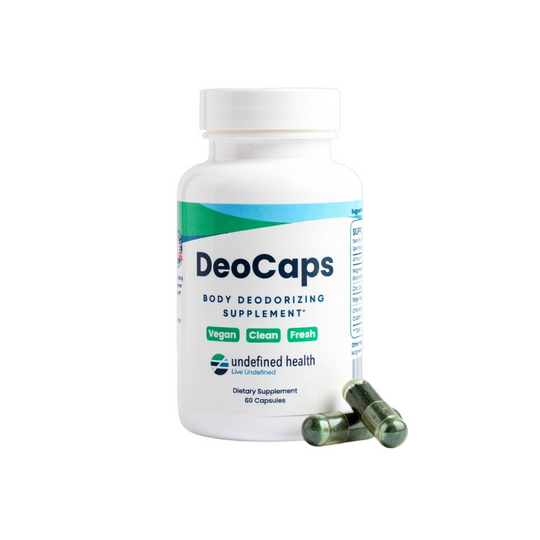
Internal deodorants work from within the body to reduce odor-causing compounds released in sweat. These products may be particularly helpful for generalized odor affecting multiple areas.
DeoCaps Internal Deodorant also promotes normal sweat gland activity, which helps with eccrine bromhidrosis as well.
Topical Microbiome Support
Topical products can help rebalance the skin microbiome and reduce odor-producing bacteria without disrupting healthy skin.
MagDeo Whole Body Deodorant Spray was designed to be applied wherever you may have body odor.
Prescription Treatments
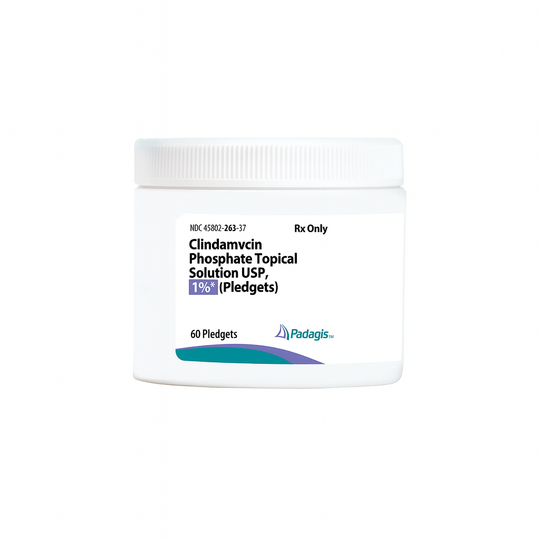
In cases of severe or persistent bromhidrosis, prescription medications may be necessary to reduce odor-causing bacteria or inflammation.
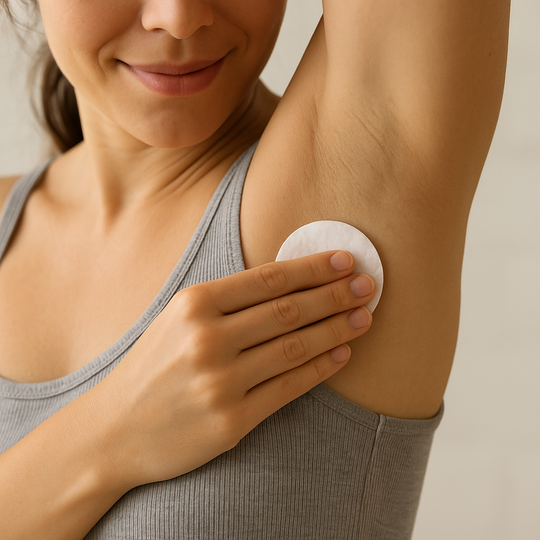
Consistent with medical treatment guidelines, we recommend Clindamycin Phosphate 1% Pledgets. The pledget, or cotton wipe, is convenient to apply to anywhere you may have odor.
Comparison of Body Odor (Bromhidrosis) Treatments
| Treatment | How It Works | Best For | Body Areas | Prescription Needed |
|---|---|---|---|---|
| DeoCaps® Internal Deodorant | Binds odor-causing compounds in the gut and supports normal sweat gland activity to reduce odor from within. | Generalized or whole-body odor | Whole body | No |
| MagDeo® Whole Body Deodorant Spray | Supports a healthy skin microbiome and reduces odor-producing bacteria on the skin. | Localized odor | Wherever applied | No |
| Clindamycin Phosphate Pledgets | Topical antibiotic that reduces odor by killing bacteria responsible for producing malodor. | Severe or persistent localized odor | Wherever applied | Yes |
-

Why Choose Undefined Health?
As a company led by pharmacists, we only use products that are backed by solid clinical evidence. We call all of our patients, and our pharmacists are available for consultation every day.
- Science-backed formulations
- Options ranging from over-the-counter to prescription
- Designed for whole-body effectiveness
- Discreet and convenient
- Shipped directly to your door

Frequently Asked Questions About Body Odor
The healthcare team at Undefined Health has decades of combined experience in treating bromhidrosis (body odor).
What is bromhidrosis?
Bromhidrosis is a medical term for persistent body odor caused by bacteria breaking down sweat on the skin. It most commonly affects areas with apocrine glands, such as the underarms and groin, but can involve multiple body regions.
Why do I smell even after showering?
Body odor may persist after bathing if odor-producing bacteria quickly recolonize the skin, if sweat glands remain overactive, or if odor-causing compounds originate internally and are released through sweat.
What causes severe body odor?
Severe body odor can result from a combination of factors, including bacterial overgrowth, diet, hormonal changes, certain medications, underlying medical conditions, or excessive sweating. In some cases, conventional deodorants are insufficient to control the odor.
How can I stop body odor permanently?
Many cases of body odor can be significantly reduced or controlled with appropriate treatment, though permanent elimination depends on the underlying cause. Effective management may include topical products, internal deodorants, or prescription therapies.
Do internal deodorants really work?
Internal deodorants may help reduce odor originating from metabolic or dietary compounds by addressing odor before it reaches the skin. They are often used for generalized body odor affecting multiple areas.
What is the best treatment for bromhidrosis?
The best treatment depends on severity and location. Localized odor may respond to topical products, while generalized or severe cases may require systemic support or prescription medication. Many patients benefit from combining approaches.
Can body odor be caused by diet?
Yes. Certain foods and dietary compounds can be released through sweat and contribute to body odor. Examples include garlic, onions, alcohol, and some spices. Metabolic differences between individuals can influence how strongly diet affects odor.
Check out our article on diet and body odor.
When should I see a doctor about body odor?
Medical evaluation may be appropriate if odor is severe, persistent, begins suddenly, does not respond to over-the-counter products, or is associated with other symptoms such as excessive sweating, skin irritation, or infection.
Is bromhidrosis a serious medical condition?
Bromhidrosis is usually not dangerous but can significantly affect quality of life, confidence, and social interactions. In some cases, it may indicate an underlying condition that requires treatment.
Can prescription treatments help body odor?
Yes. Prescription therapies, including topical antibiotics, may reduce odor by targeting bacteria responsible for producing malodor. These treatments are typically used for persistent or severe cases under medical supervision.
Medical References & Sources
International Hyperhidrosis Society. Bromhidrosis (Body Odor).
https://www.sweathelp.org/home/sweat-and-odor.html
American Academy of Dermatology Association. Should I use whole-body deodorant?
https://www.aad.org/public/everyday-care/skin-care-secrets/routine/whole-body-deodorant
Mayo Clinic. Sweating and body odor — Symptoms and causes.
https://www.mayoclinic.org/diseases-conditions/sweating-and-body-odor/symptoms-causes/syc-20353895
Malik AS, Porter CL, Feldman SR. Bromhidrosis treatment modalities: A literature review. J Am Acad Dermatol. 2023 Jul;89(1):81-89. doi: 10.1016/j.jaad.2021.01.030. Epub 2021 Jan 20. PMID: 33482257.
https://pubmed.ncbi.nlm.nih.gov/33482257/
Cleveland Clinic. Body Odor (Bromhidrosis).
https://my.clevelandclinic.org/health/symptoms/17865-body-odor
DermNet NZ. Bromhidrosis.
https://dermnetnz.org/topics/bromhidrosis
SHELLEY WB, HURLEY HJ Jr, NICHOLS AC. Axillary odor; experimental study of the role of bacteria, apocrine sweat, and deodorants. AMA Arch Derm Syphilol. 1953 Oct;68(4):430-46. doi: 10.1001/archderm.1953.01540100070012. PMID: 13091383.
https://pubmed.ncbi.nlm.nih.gov/13091383/
This page is provided for informational and educational purposes only and is not intended to provide medical advice, diagnosis, or treatment. Bromhidrosis (body odor) and related conditions can have multiple underlying causes, and treatments that are appropriate for one individual may not be appropriate for another. Always consult a qualified healthcare professional before starting any new treatment, medication, or healthcare regimen.
Prescription products are available only to patients who are deemed appropriate candidates following medical evaluation by a licensed healthcare provider. If you experience sudden, severe, or unexplained symptoms, seek prompt medical attention.